
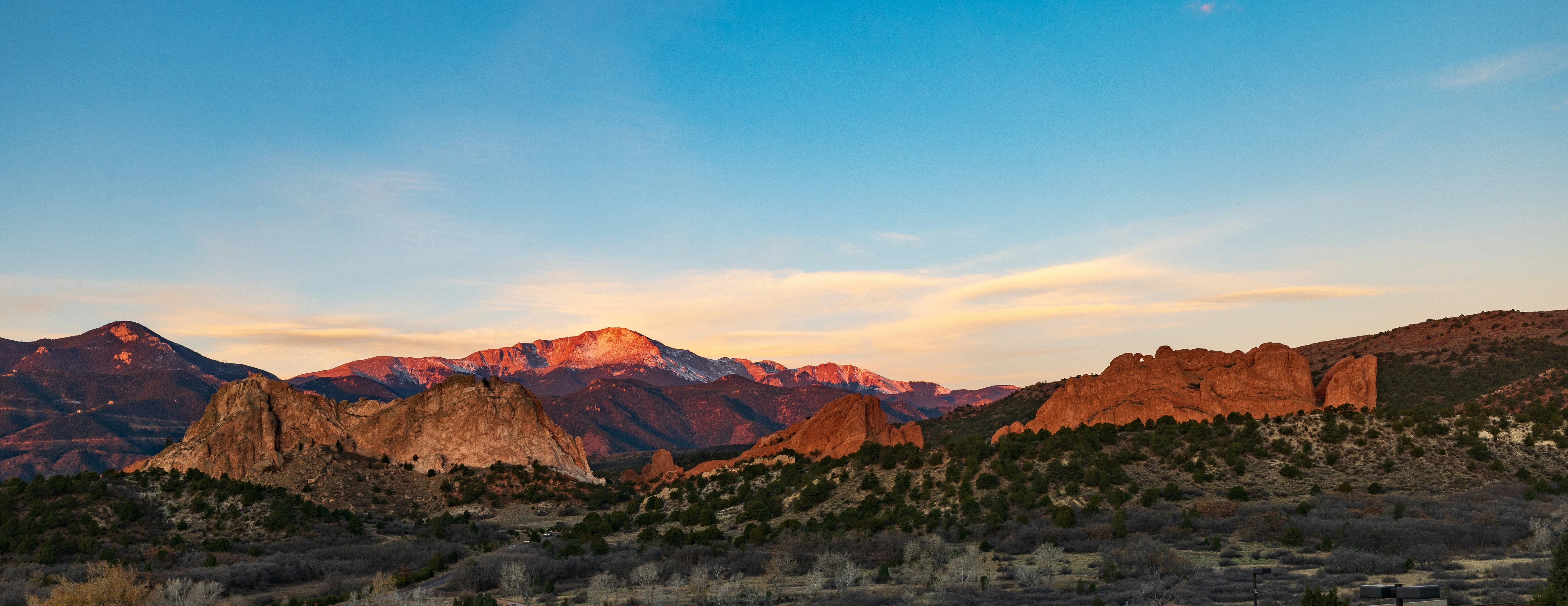
Mueller State Park: The Wildlife Wilderness Day Trip Most Pikes Peak Visitors Miss
Most visitors to the Pikes Peak region spend their time on the eastern side of the mountain — the Incline, the Cog Railway, Garden of the Gods. It's all magnificent. But there's another side to Pikes Peak that almost no one talks about, and it involves 5,116 acres of pine forest, open elk meadows, and 55 miles of trail with a fraction of the crowds. Mueller State Park sits on the western slope of Pikes Peak near the small town of Divide, about 25 miles from our front door. It is, without question, one of the most rewarding day trips you can take from Manitou Springs — and one of the least known.
If you ask the average visitor staying in Colorado Springs or Manitou Springs whether they've heard of Mueller, the answer is almost always no. That's the point. While Garden of the Gods posts fill social media feeds every weekend, Mueller's meadows are often occupied by nothing more than elk, deer, and the occasional black bear moving through the pines at dusk. This is Colorado's front-country wilderness at its most accessible and its most genuine.
What Makes Mueller Different
Mueller State Park is a Colorado State Park, not a national park — which means it flies beneath the radar of the national park tourism circuit. The park encompasses rolling terrain between 8,600 and 9,800 feet, dominated by ponderosa pine and spruce-fir forest with large open meadows scattered throughout. Fourmile Creek flows through the lower portion of the park, offering streamside hiking and the occasional rainbow trout. From the park's higher trails, Pikes Peak rises dramatically to the east — visible from a completely different angle than the one most visitors ever see.
What the park is genuinely exceptional for is wildlife. The combination of dense forest cover, open meadows, water sources, and relative human quiet makes Mueller one of the most reliable places in the Pikes Peak region to see large mammals in their natural environment. Elk herds are a near-daily presence, particularly in the morning and evening. Mule deer graze along nearly every trail. Wild turkeys cross the roads in small flocks. And Colorado black bears move through the park regularly enough that the rangers maintain active protocols — a reminder that this is real wildlife habitat, not a drive-through zoo.
The Outrider Tip
The drive from our front door to Mueller's entrance takes about 35 minutes via Highway 24 west to Divide, then south on Highway 67. The park entrance is well-signed. A Colorado State Parks Pass covers entry — if you don't have one, the daily vehicle fee is currently around $10. Worth every cent.
The Best Trails for First-Time Visitors
Homestead Meadows Loop (Easy, 1.5 miles)
The best introduction to Mueller is the Homestead Meadows Loop, a gentle 1.5-mile circuit that passes through the park's most scenic open meadow terrain. Starting from the main trailhead area near the visitor center, the trail winds through stands of ponderosa pine before opening onto a broad, grassy meadow that serves as one of the park's primary elk grazing areas. Early morning visitors are frequently rewarded with elk herds still feeding in the meadow. The trail is well-maintained, relatively flat, and accessible to nearly all fitness levels — making it the right first move for families, older visitors, or anyone who wants a beautiful wildlife-watching experience without a serious physical commitment.
Cheesman Ranch Trail & Overlook (Moderate, 3.5 miles round-trip)
For a slightly more demanding outing with a genuine payoff, the Cheesman Ranch Trail climbs to a ridgeline overlook with some of the park's best views of Pikes Peak and the surrounding high country. The trail passes through the remains of the historic Cheesman Ranch, where interpretive signs tell the story of the ranching families who worked this land before it became a state park. The final push to the overlook gains a few hundred feet of elevation through open terrain — and the view from the top, with Pikes Peak filling the eastern horizon and an unbroken expanse of forest and meadow in every other direction, is one of those Colorado moments that's hard to describe and impossible to forget.
Rock Pond Loop (Easy, 0.75 miles)
The shortest and quietest trail in the park, the Rock Pond Loop circles a small natural pond tucked into a forested bowl near the southern campground. The pond is a reliable wildlife magnet — mule deer drink here at dusk, herons occasionally hunt the shallows, and the surrounding willows attract songbirds throughout the warmer months. This trail is best experienced in the early morning or late afternoon when light is low and animals are most active. At under a mile, it's also an ideal choice for young children or as a quiet wind-down walk after a longer day on the main trails.
Buffalo Rock Trail (Strenuous, 5+ miles)
Experienced hikers looking for a genuine workout should set out on the Buffalo Rock Trail, which climbs into the park's more remote northern terrain through increasingly dense spruce-fir forest. At this elevation, the landscape shifts noticeably from the open ponderosa park in the lower sections: the forest closes in, the temperatures drop, and the sense of genuine backcountry solitude becomes more pronounced. The trail passes through terrain that sees a fraction of the foot traffic of Mueller's lower loops, making it the park's best option for hikers who want to earn their views. Allow a full day and bring layers — conditions above 9,500 feet can change quickly even in summer.
The Outrider Tip
Mueller's trail system is extensive enough that you can string multiple loops together for custom day hikes of any distance. Pick up a trail map at the visitor center or download one from Colorado Parks & Wildlife before you leave Manitou Springs. Cell coverage in the park is limited — offline maps are a must.
Wildlife Watching: When, Where, and How
Mueller's wildlife is one of its defining features, but seeing it well requires a little strategy. The golden rule is simple: be there early. The hour after dawn is when elk are most reliably moving between their overnight forest cover and their morning grazing meadows — and the open meadows along the Homestead Meadows Loop and near the campground entrance are the spots most likely to produce sightings. Late afternoon, in the 90 minutes before sunset, is the second-best window. Midday visits in summer will show you a beautiful park, but fewer animals.
Mule deer are present throughout the day and throughout the park — you'll likely see them regardless of when you arrive. Wild turkey flocks are most active in the morning, often crossing the entrance road near the park boundary. Black bear sightings are genuine and not uncommon, particularly in late summer and fall when animals are building fat reserves for winter. Practice standard bear country protocols: carry your food in a pack, don't approach wildlife, and make noise on wooded trail sections to avoid surprise encounters. The park ranger staff are knowledgeable and approachable — stop at the visitor center to ask about recent wildlife activity before heading out.
The Outrider Tip
Bring binoculars. Mueller's meadows are broad enough that elk and deer are often visible at a distance before they detect you — binoculars dramatically extend your ability to observe wildlife without disturbing it. A long camera lens, if you have one, will produce the best wildlife photographs.
Pikes Peak from the West: A View Most Visitors Never See
One of Mueller's quiet distinctions is the perspective it offers on Pikes Peak. From the Incline, from Garden of the Gods, from the eastern approaches — most visitors see Pikes Peak from the same angle, the great mass of mountain rising above the Front Range to the west. From Mueller's ridgeline trails, Pikes Peak appears completely differently: a more isolated summit, seen from the forested western approach, rising above a landscape that has no city in its foreground and no crowds on its slopes. The sense of the mountain's true scale — separated from urban context, seen from deep in the wilderness — is something that hikers who've done both approaches consistently describe as a revelation.
The best viewpoints for this western perspective are along the Cheesman Ranch Trail and from the Buffalo Rock Trail's upper reaches. Neither requires a summit — just a moderate hike to a high point. The light is best in the morning, when Pikes Peak catches direct sun from the east and the forested hillsides below are still in cool shadow.
Practical Information: Planning Your Mueller Day
Mueller State Park is located at 21045 Highway 67, Divide, CO 80814 — about 35 minutes from The Outrider via Highway 24 west to Divide, then south on Highway 67. The park is open year-round, though some trails may be inaccessible in deep winter snow. Summer hours for the visitor center are typically 9am–5pm; the park itself opens at sunrise. A Colorado State Parks vehicle pass is required for entry — the daily fee is approximately $10 per vehicle. Annual passes are available and quickly pay for themselves with multiple visits.
The park has a full-service campground with 132 sites including tent and RV options — worth knowing if your guests want to extend their stay beyond a day trip. Vault toilets are available near major trailheads. The visitor center stocks basic park maps and can provide current trail conditions and wildlife activity updates. Water is available at the campground and visitor center but not on the trails — fill up before you head out. The park sits at 8,600–9,800 feet; visitors arriving from lower elevations should expect to feel the altitude and pace themselves accordingly on the first hike of the day.
The Outrider Tip
A full day at Mueller is a legitimately physical experience — you'll cover elevation, real trail terrain, and hours of fresh mountain air. When you get back to the hotel, our wellness area earns its keep. The sauna opens up everything that long descents tighten in your legs, and the cold plunge handles inflammation before it sets in. It's the right way to end a Mueller day — and the right way to wake up ready for another one tomorrow.